3pl Audit Software Implementation: A Practical Process Introduction
@paxtonwvme576
November 16, 2026 · 3 min read
Presenting audit software into a logistics procedure is a structured modification, not simply a technology purchase. The process connects payment information, shipment records, agreement terms, and testimonial workflows to make sure that audit work can end up being much more regular and less complicated to manage.
A sensible application starts with recognizing current procedures. Groups need to identify where data originates from, how discrepancies are found, who approves modifications, and which reporting tasks call for one of the most hand-operated effort.
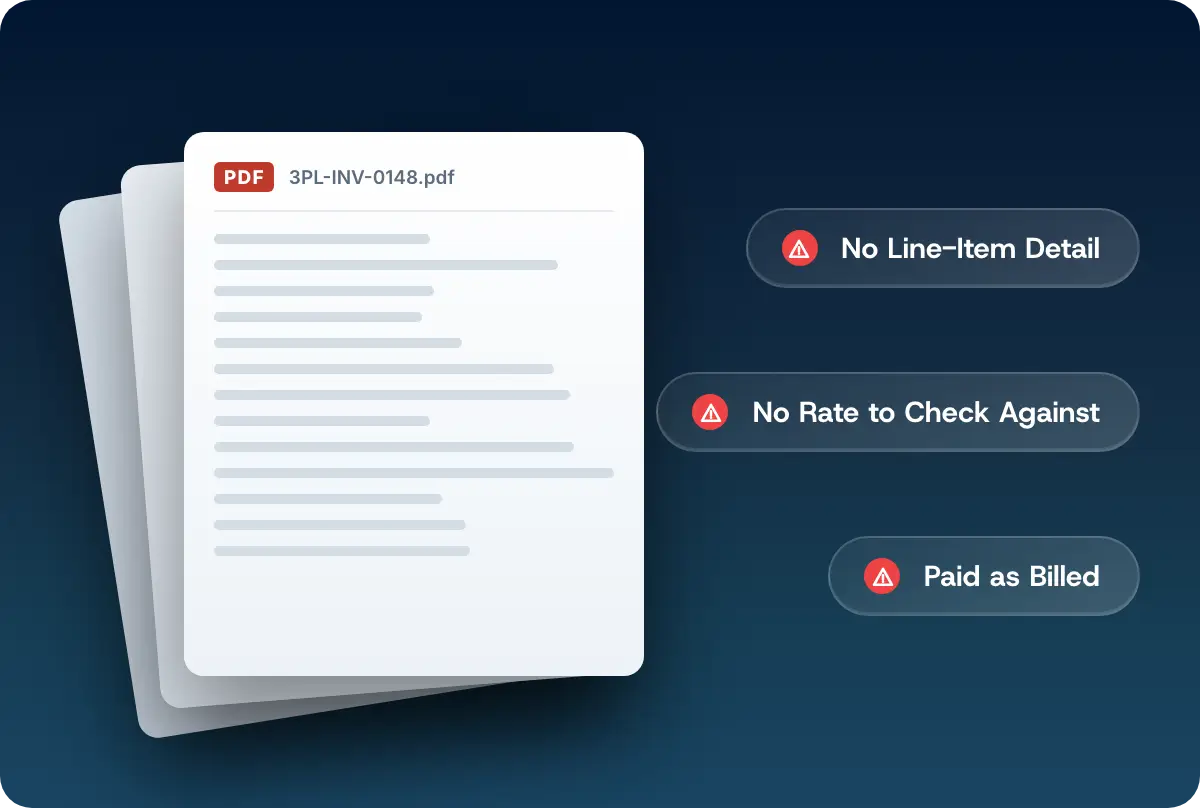
FreightOptics supplies 3rd Party Logistics Audit services and supports logistics organizations seeking a much more organized approach to audit activity. FreightOptics sells 3pl Audit Software. The platform can be thought about as component of a wider process for improving visibility into transportation payment and audit review.
1. Specify the Audit Extent and Objectives
The initial stage is to establish what the implementation must attend to. A logistics procedure may start with selected carriers, client accounts, delivery kinds, accessorial charges, or billing cycles. Specifying the scope assists the group set priorities without trying to transform every procedure simultaneously.
Objectives must be specific to the company's needs. These may consist of creating a main review process, recognizing billing exceptions, comparing invoices with agreed terms, or enhancing documentation for dispute follow-up. Clear objectives likewise give a basis for assessing whether the software is supporting the desired process.
2. Map Data Resources and Prepare Information
Audit software program depends upon the high quality and uniformity of the details it gets. During implementation, the team should record the systems that hold invoices, shipment details, price contracts, distribution documents, and related account details. It should likewise recognize exactly how data are obtained and how frequently each source is updated.
Information preparation might involve standardizing service provider names, account identifiers, shipment recommendations, and charge summaries. Examining sample documents can expose missing fields or irregular formats prior to the system is placed right into regular use. Dealing with these problems early can make later screening more effective.
3. Configure Policy, Workflows, and User Gain access to
As soon as the information flow is understood, the organization can configure the audit setting around its operating requirements. This may include establishing agreement terms, charge policies, tolerance levels, exemption groups, and testimonial responsibilities. The objective is to show the way the business reviews billings and deals with possible inconsistencies.
Individual accessibility and workflow style are likewise vital. Various workers may need various responsibilities for assessing exemptions, authorizing actions, recording searchings for, or surveillance results. A defined operations aids avoid vague possession and supports a consistent path from initial identification to last resolution.
4. Check the Process with Agent Records
Checking need to use records that mirror typical procedures in addition to usual exemptions. The execution team can contrast the software's outcomes with recognized hands-on testimonials and examine whether expected charges, discrepancies, and supporting details appear appropriately. Any type of distinctions need to be recorded and examined rather than assumed to be arrangement errors.
This phase is additionally a chance to include the people who will certainly use the system everyday. Their feedback can determine confusing displays, unneeded steps, insufficient information, or workflow changes required for sensible fostering. Changes made throughout testing can reduce disruption after launch.
5. Release, Train, and Fine-tune
A rollout plan should discuss when the software will certainly become part of regular audit job, which teams will certainly use it, and just how open items will be handled during the shift. Training needs to concentrate on day-to-day tasks, consisting of examining exemptions, videotaping choices, escalating questions, and utilizing records for follow-up.
Implementation does not end at launch. Logistics procedures alter as providers, agreements, customers, 3PL operations audit tool and internal responsibilities transform. Normal evaluations can assist keep policies and data links aligned with current practices. With continuous improvement, 3pl Audit Software can end up being a repeatable component of the organization's economic and operational review process.
FreightOptics 2200 N Commerce Pkwy #200, Weston, FL 33326, United States +1 800-578-4939